

Installation
Replace your furnace and AC with a heat pump
When the furnace, air conditioner or both are ready for replacement, compare a heat pump conversion before replacing them separately. A ducted heat pump can provide electric heating and cooling through suitable ducts. The assessment should explain what stays, what changes and how the new system will serve each room.
Request an installation estimate ↗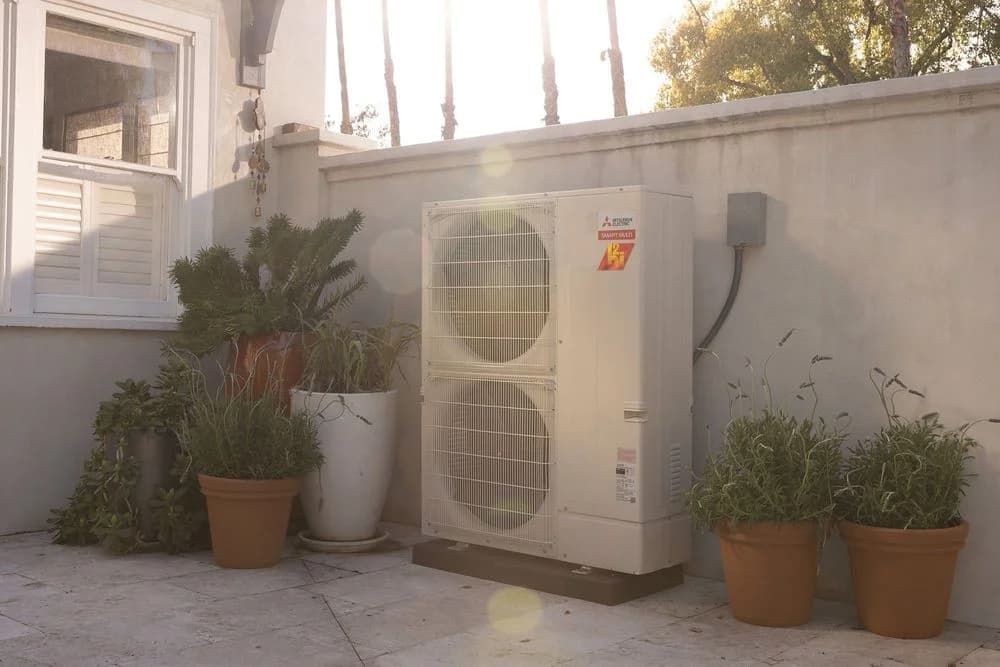
Decide what you want to replace
An all-electric conversion replaces the furnace’s heating function with a heat pump and compatible air handler. Keeping a furnace as backup is a different design: the indoor components and controls need to be approved for that combination. Discuss suitability and available options rather than assuming every existing furnace can stay.
A heat pump conversion does not by itself make the whole home all-electric. A gas water heater, stove or fireplace may still use the gas service. The removal plan must account for any appliances sharing gas piping or venting.
Use the house to guide the design
Start with both heating and cooling loads. Compare the selected equipment’s output at local design conditions, its minimum operating capacity, and any proposed supplementary heat. A unit’s headline tonnage is not its heating output at every outdoor temperature.
Duct condition, available airflow, return paths and filter access determine whether reuse is sensible. Where ducts cannot serve an addition or remote bedroom well, compare a separate ductless zone with rebuilding the central distribution.
- Evaluate existing circuits and the home’s electrical load; spare breaker spaces alone do not prove available capacity.
- Check air-handler dimensions, access, condensate drainage and how duct transitions will fit.
- Review outdoor clearances, sound-sensitive windows, refrigerant routing and HOA requirements.
A conversion scope should show the whole project
Ask for removal and disposal of the old equipment, the complete indoor/outdoor model combination, controls, electrical work, duct modifications and permit responsibilities. Discuss gas disconnection and treatment of any shared vent with the qualified trades involved.
The proposal should distinguish planned work from allowances or items requiring further investigation. Startup and handover should cover heating and cooling operation, airflow, controls, filter access and required inspection documentation.
- Panel or circuit changes, if the electrical assessment identifies them
- Duct repairs and return-air changes, with clear access assumptions
- Wall, roof or ceiling penetrations and responsibility for finish repairs
- Permit coordination, applicable energy verification and final inspection
Bring the heating and cooling history
Share model labels for the furnace and outdoor AC, recurring comfort problems, recent repairs and any planned envelope improvements. Tell us which gas appliances you plan to keep and whether you are considering a water heater or EV charger upgrade at the same time. Coordinating the electrical assessment can avoid planning each new load in isolation.
Installation in Pleasanton and the Tri-Valley
Explore local project planning for your city. Share your address, current equipment and the rooms you want to improve when requesting an installation estimate.
Your questions, answered.
Does a heat pump conversion always need a panel upgrade?
No. The selected equipment, any supplementary heat and the existing electrical loads determine the requirements. A qualified electrical assessment is needed; neither a panel’s amp rating nor empty breaker spaces alone settles the question.
Will heat pump air feel as hot as furnace air?
It can feel different. A heat pump may deliver lower-temperature supply air over longer operating periods. Correct equipment selection, airflow and controls matter more than copying the furnace’s operating pattern.
Can I keep my existing ducts?
Possibly. Check airflow, static pressure, leakage, insulation and room distribution before committing to reuse. A conversion can expose restrictions that equipment replacement alone cannot correct.
Will my utility bills go down?
That cannot be promised. Operating cost depends on your electric and gas rates, building loads, equipment performance, controls and usage. Compare a home-specific estimate and current tariffs rather than a general savings percentage.